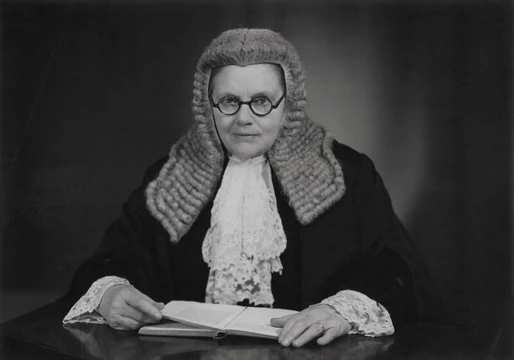
Paralegal
A legal professional performing substantive legal work under attorney supervision.

Courtesy photo · Public domain
A paralegal, also known as a legal assistant or paralegal specialist, is a legal professional who performs tasks requiring knowledge of legal concepts but not the full expertise of a lawyer admitted to practice law. The market for paralegals is broad, including consultancies, companies with legal departments, entities performing legislative and regulatory compliance activities, legal offices, and public bodies. There is a diverse array of work experiences attainable within the field, ranging from internship to senior level positions.
- field
- Legal profession
- known_for
- Performing substantive legal work under attorney supervision; not authorized to offer legal services independently in most jurisdictions
Lore & Background
The exact nature of their work and limitations vary between nations and jurisdictions; paralegals generally are not allowed to offer legal services independently in most jurisdictions, though in some they may conduct their own business and provide services such as settlements, court filings, and legal research.
Reader's Guide
Paralegals play a significant role in the legal system by handling tasks such as analyzing and summarizing depositions, preparing interrogatories, conducting document review, drafting procedural motions and routine briefs, performing legal research, and managing cases. Consumers of legal services are typically billed for the time paralegals spend on their cases. In the United States, paralegals are protected from some forms of professional liability because they work as an enhancement of an attorney, who takes ultimate responsibility for their work. Recently, some US and Canadian jurisdictions have created a new profession where experienced paralegals are being licensed, with or without attorney supervision, to allow limited scope of practice in high-need areas such as family law, bankruptcy, and landlord-tenant law, in an effort to combat the access-to-justice crisis. The education, experience, testing, and scope of practice requirements vary widely across jurisdictions, as do the titles used, including Limited License Legal Technician, Licensed Paralegals, and Licensed Paraprofessionals.
Did You Know?
- In some jurisdictions, such as Ontario, Canada, paralegals are licensed and regulated the same way as lawyers and may appear before certain lower courts and administrative tribunals.
- Paralegals generally are not allowed to offer legal services independently in most jurisdictions, but some US and Canadian jurisdictions have created licensed limited-scope practitioners to address the access-to-justice
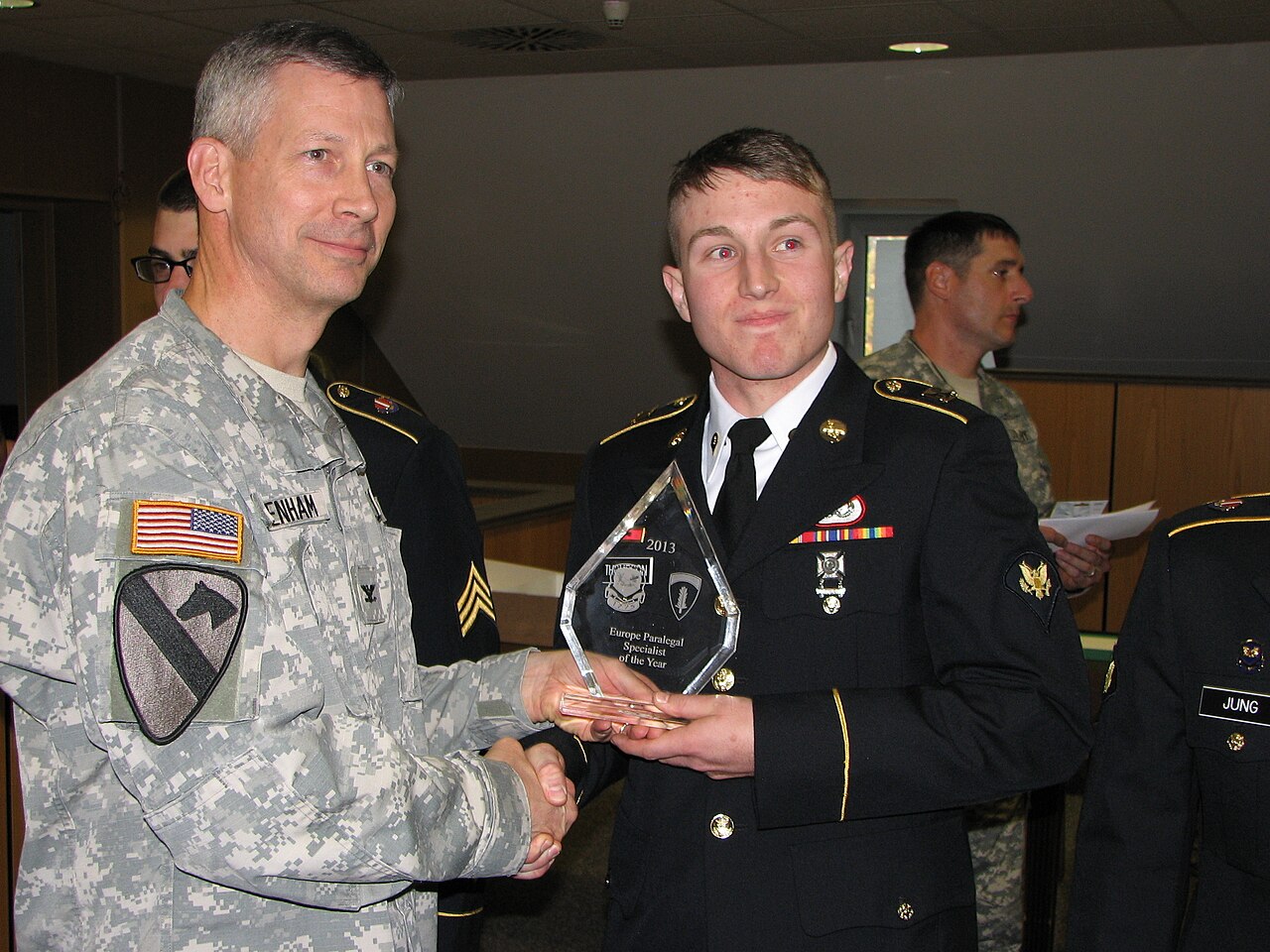
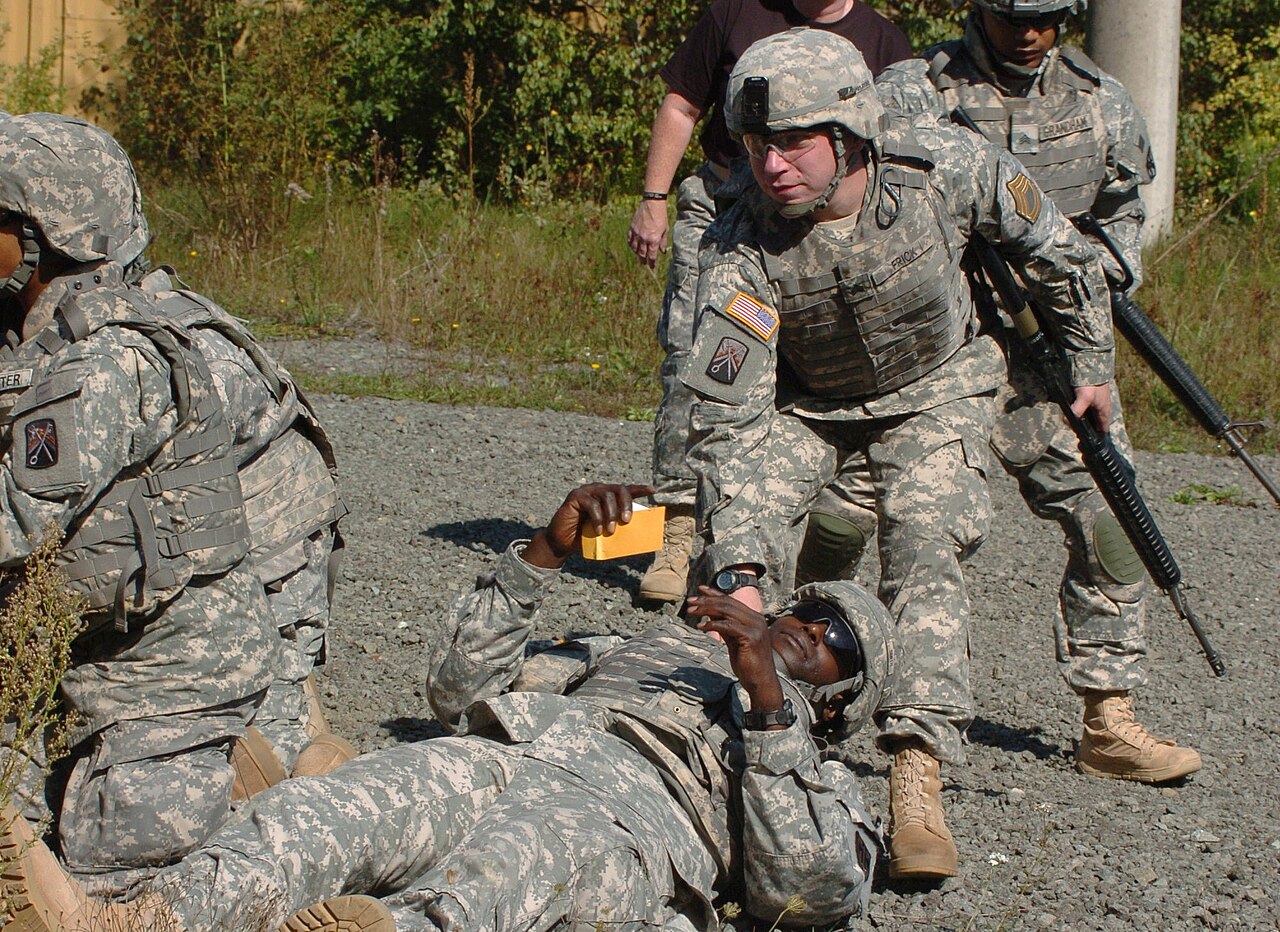
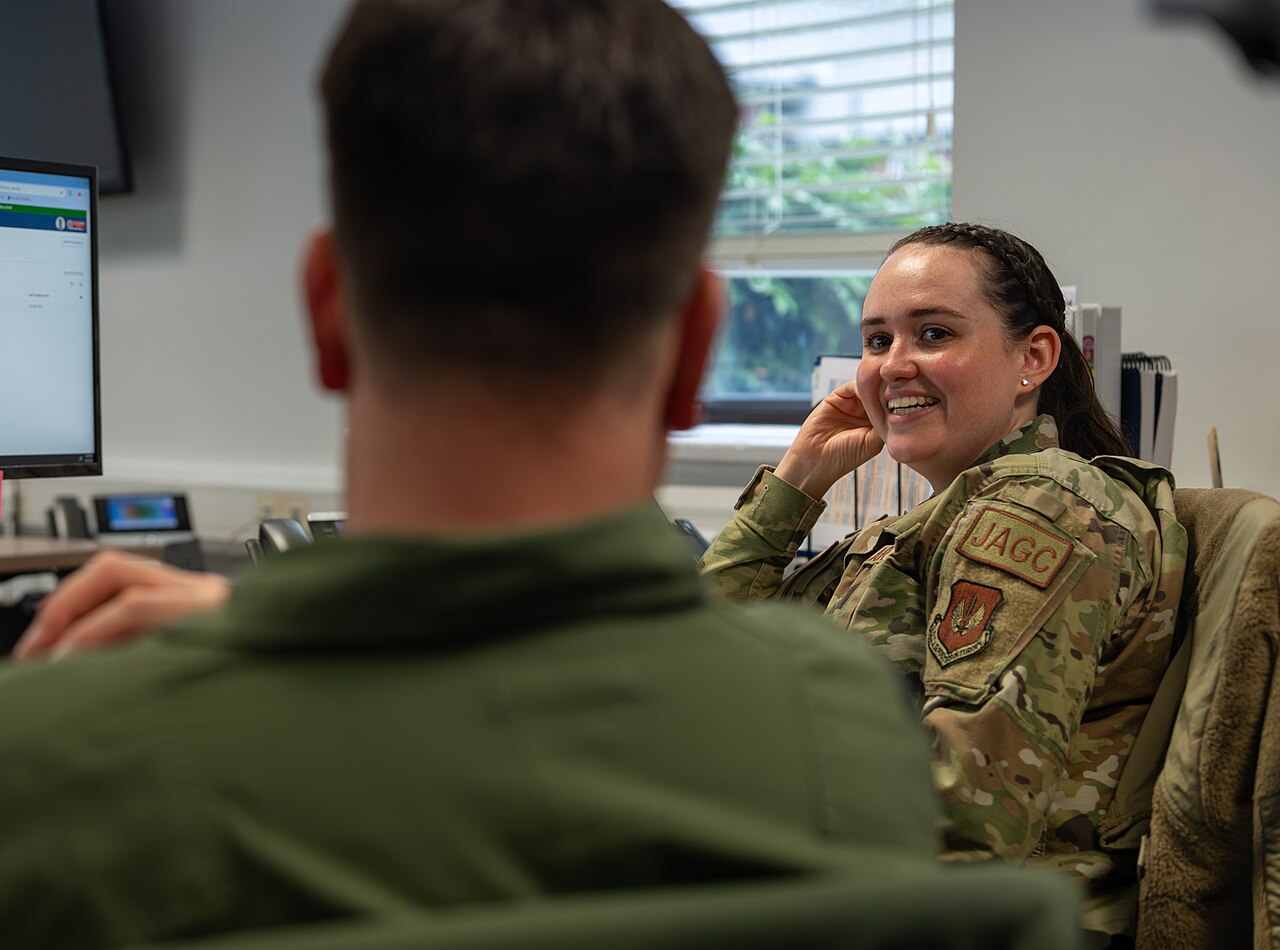
Gallery

Frequently Asked Questions
What is a paralegal?
A paralegal is a legal professional who carries out substantive legal tasks—such as drafting documents, conducting research, and organizing case files—under the supervision of a licensed attorney. They are also referred to as legal assistants or paralegal specialists.
Can a paralegal give legal advice to clients?
In most jurisdictions, no; a paralegal is not authorized to independently offer legal services or legal advice to the public. Their work must be directed and reviewed by a supervising attorney who holds the license to practice law.
Where do paralegals typically work?
Paralegals can be found in law firms, corporate in-house legal departments, government agencies, consultancies, and organizations focused on regulatory compliance. The range of settings is broad, and roles span from entry-level internships to senior positions.
How is a paralegal different from a lawyer?
A lawyer has completed full law-school education, passed the bar exam, and is licensed to practice law independently, whereas a paralegal performs specialized legal-support tasks without that full qualification. The paralegal's role is to handle the substantive groundwork so the attorney can focus on strategy, advocacy, and client counsel.
Do paralegals need a specific degree or certification?
While there is no single universal requirement, most paralegals hold an associate's or bachelor's degree in paralegal studies or a related field, and many pursue professional certification to demonstrate competence. The path into the profession varies, with experience ranging from internships to senior-level roles.
More in Legal Professions 1-24
Elsewhere in the Legal Professions universe
Spotted an error? Know more?
This is a living reference — every entry is fact-audited, and reader corrections feed straight into our audit queue. Suggest an edit · See this site's audit record