
Legal instrument
Formally executed documents evidencing legally enforceable rights or duties.

Unknown author Unknown author or not provided · Public domain
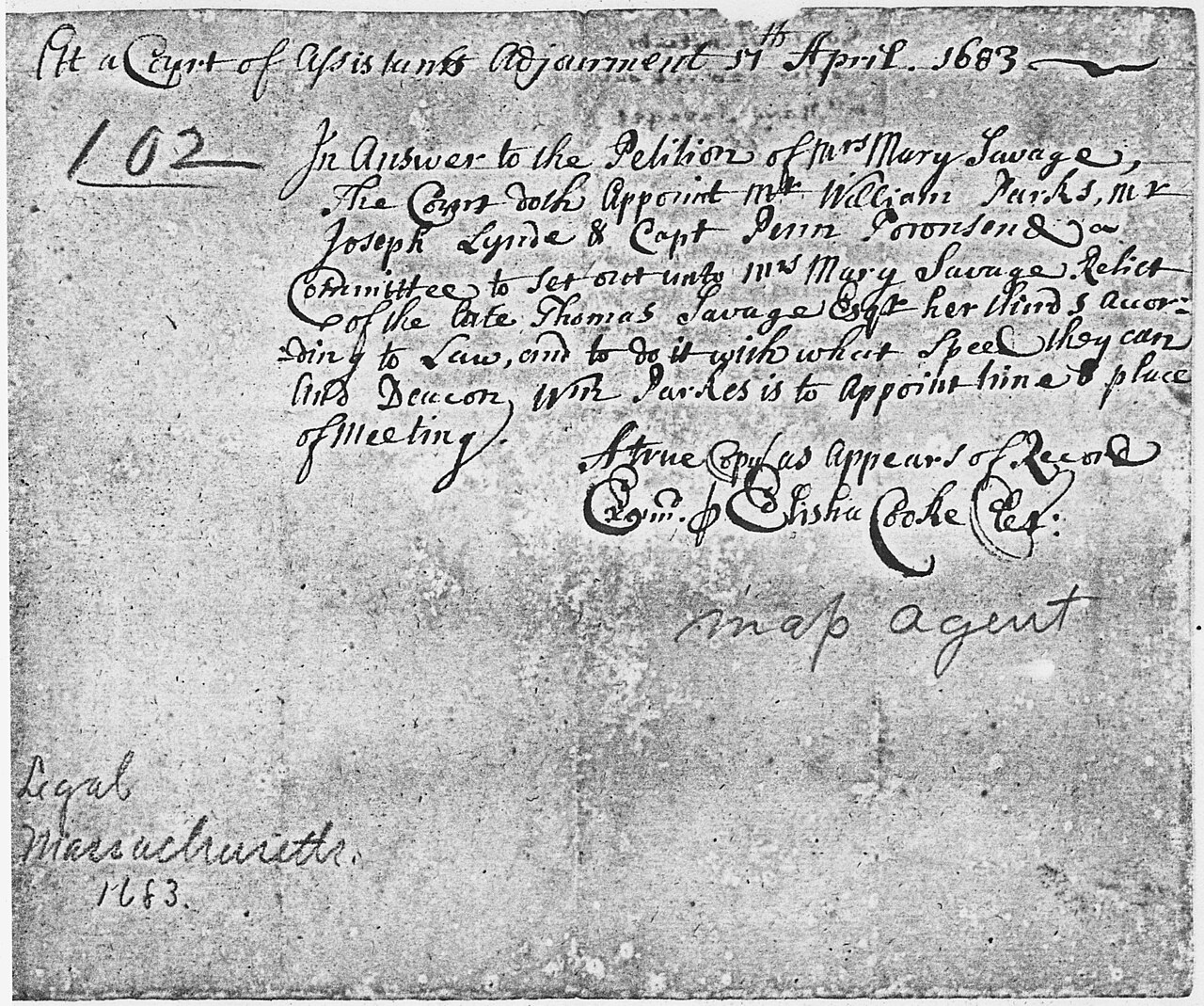
A legal instrument is a legal term of art referring to any formally executed written document that can be formally attributed to its author, records and formally expresses a legally enforceable act, process, or contractual duty, obligation, or right, and therefore evidences that act, process, or agreement. Examples include certificates, deeds, bonds, contracts, wills, legislative acts, notarial acts, court writs or processes, or any law passed by a competent legislative body in domestic or international law. Many legal instruments were historically written under seal by affixing a wax or paper seal to the document in evidence of its legal execution and authenticity, though many jurisdictions have since abolished the requirement for documents to be under seal to have legal effect.
- field
- Law
- known_for
- Formally executed written documents evidencing legally enforceable acts, processes, or agreements
- key_feature
- Historically often under seal; now often electronic
- modern_context
- Electronic legal documents prominent in U.S. courts
Lore & Background
Legal instruments have undergone a progressive change of dematerialisation with the onset of the Internet and electronic equipment such as personal computers and cell-phones. Document authentication can now be verified digitally using various software, with date and time stamps embedded and encryption used to prevent tampering. The use of electronic legal documents is most prominent in the United States' courts, where most courts prefer filing electronic documents over paper, though no public law unifies the different standards of document authentication.
Reader's Guide
The significance of legal instruments lies in their foundational role in evidencing legally enforceable acts, processes, or agreements. Historically, the affixing of a wax or paper seal often removed the need for consideration in contract law, but many jurisdictions have since abolished that requirement. The shift to electronic legal documents has introduced both opportunities and challenges. However, the law is both permissive and restrictive, and there remains a gap between what cryptographic engineering can provide and what the law assumes is possible. Several states and other nations have enacted statutes on digital signatures, but the variety and inadequacy of definitions have produced a legal and contractual minefield. Adequate legislation informed by cryptographic engineering remains an elusive goal.
Did You Know?
- Many legal instruments were historically written under seal by affixing a wax or paper seal to the document.
- Several states including Utah, Washington, and California enacted laws on electronic legal documents before the U.S. Congress acted.
- There is no public law to unify the different standards of document authentication for electronic legal documents.
Gallery





Frequently Asked Questions
What is a legal instrument?
A legal instrument is a formally executed written document that records and expresses a legally enforceable act, obligation, or right, and serves as evidence of that agreement or process. It must be attributable to its author and carry formal legal weight.
What are common examples of legal instruments?
They include contracts, deeds, wills, bonds, certificates, court writs, notarial acts, and legislation passed by a competent body. Essentially, any formal written document that creates or evidences enforceable legal duties falls under this category.
What distinguishes a legal instrument from an ordinary memo or letter?
The key difference is formal execution and enforceability: a legal instrument is deliberately structured to create, record, or evidence a binding legal right or obligation, whereas a casual note carries no such legal force. Historically, affixing a wax or paper seal further cemented its formal status.
How have legal instruments evolved in the modern era?
While many were once handwritten and sealed with wax, they are now frequently created and filed electronically, especially in U.S. courts. The underlying legal function—evidencing enforceable acts or agreements—remains unchanged despite the shift in medium.
Why is the concept of a legal instrument important in law?
It provides a standardized framework for proving that a legally binding act, contract, or right actually exists and was formally agreed upon. Without this category, courts and parties would lack a clear evidentiary anchor for enforcing obligations across domestic and international law.
More in Legal Professions 1-24
Elsewhere in the Legal Professions universe
Spotted an error? Know more?
This is a living reference — every entry is fact-audited, and reader corrections feed straight into our audit queue. Suggest an edit · See this site's audit record