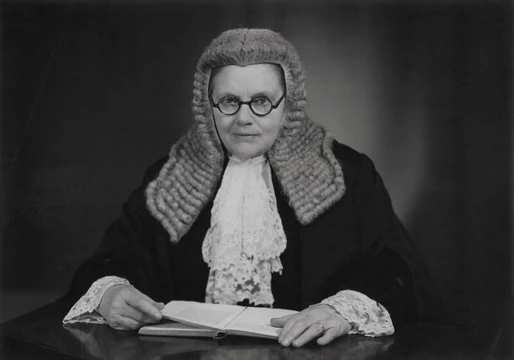
Notary public
A public officer who validates signatures and authenticates documents in non-contentious matters.

Anonymous Unknown author · Public domain
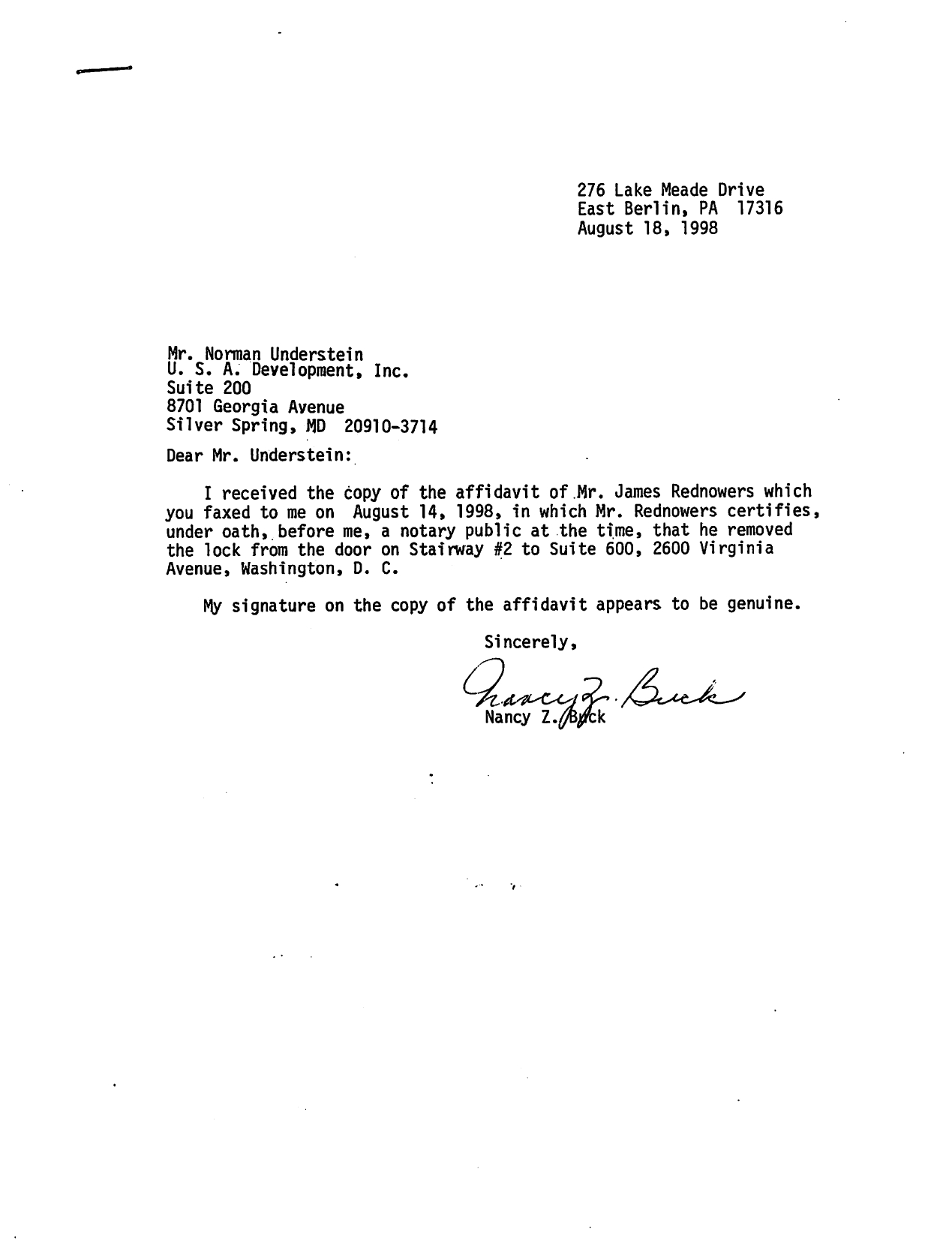
A notary public (also known as a notary or public notary) is a public officer constituted by law to serve the public in non-contentious matters, typically concerning financial transactions, estates, deeds, powers-of-attorney, and foreign and international business. Their main functions include validating signatures, administering oaths and affirmations, taking affidavits and statutory declarations, authenticating the execution of documents, and performing other official acts known as notarial acts or notarizations. The term notary public refers specifically to common-law notaries and should not be confused with civil-law notaries.
- jurisdictions
- United States, Canada (except Quebec), England and Wales, Australia, New Zealand, and other common-law countries
Lore & Background
The office of notary public traces its origins back to the ancient Roman Republic, where officials called scribae (scribes) recorded public proceedings, transcribed state papers, and registered decrees. In the last century of the Republic, a new form of shorthand using arbitrary marks called notae was invented, and a writer who adopted this method was called a notarius. Later, the title notarius was applied almost exclusively to registrars attached to high government officials and secretaries to the Emperor. Despite the collapse of the Western Empire in the 5th century AD, the notary remained important in continental Europe throughout the Dark Ages, and with the renaissance of civil law in medieval Italy from the 12th century, the notary became a central institution of that law. In most common-law countries, notaries are appointed by a government authority and their numbers for a given district are highly regulated. However, in the United States, most notaries are lay persons, and commission numbers are not regulated, leading to far more notaries in the U.S. U.S. notaries primarily handle domestic affairs and documents, authenticating that signatures belong to the claimed signers. In many common-law countries outside North America, notaries handle a wide range of domestic matters such as property deeds, powers of attorney, and wills, and almost all notaries are also qualified lawyers. Notaries are generally required to undergo special training, often culminating in an examination and ongoing education. Some jurisdictions require an apprenticeship before commissioning. In England and Wales, a course of study is conducted under the University of Cambridge and the Society of Notaries of England and Wales. In Victoria, Australia, applicants must complete a Graduate Diploma of Notarial Practice. The United States is a notable exception: lawyer-notaries need only be approved by their jurisdiction, while lay notaries require only a brief training seminar and are generally forbidden from engaging in activities that could be construed as the unlicensed practice of law unless they are also qualified attorneys. However, many U.S. states allow or require notaries to determine the appropriate notarial act based on the document and signer's request, so the notion that lay notaries are universally forbidden from advising on which type of notarial act is appropriate is not
Reader's Guide
The notary public holds a distinct and historically significant office that bridges ancient Roman practices and modern legal systems. In common-law jurisdictions, notaries serve as impartial witnesses to the execution of documents, ensuring trust among parties by validating signatures and administering oaths. Their role is particularly vital in financial transactions, real estate conveyances, and international business, where authenticated documents are often required for legal effect. The distinction between common-law notaries and civil-law notaries is crucial: common-law notaries generally have limited powers compared to civil-law notaries, who are qualified lawyers and can draft legal instruments with probative value. In the United States, the vast majority of notaries are lay persons, and their functions are restricted to domestic affairs, while in other common-law countries, notarial practice is largely confined to international matters and performed by lawyer-notaries. The office's legacy is evident in its continued regulation and the specialized training required in many jurisdictions, though the U.S. remains an exception with minimal requirements for lay notaries. The notary's role in authenticating signatures and documents underpins the reliability of legal and commercial transactions across borders.
Did You Know?
- The term 'notary public' refers only to common-law notaries and should not be confused with civil-law notaries.
- The office of notary public traces its origins back to the ancient Roman Republic, where officials called scribae recorded public proceedings and transcribed state papers.
- In the U.S., lay notaries are forbidden to advise signers on which type of notarial act is appropriate; the signer must provide the certificate or wording.
Gallery


Frequently Asked Questions
What is a notary public?
A notary public is a legally appointed public officer whose job is to handle non-disputed matters for the general public. They typically deal with things like financial transactions, property deeds, estates, powers of attorney, and cross-border business dealings.
What are the specific powers or duties of a notary public?
Their core duties include verifying that signatures are genuine, administering oaths and affirmations, recording affidavits and statutory declarations, and certifying that documents were properly executed. Collectively, these official acts are called notarizations.
In which countries does the notary public role exist?
The common-law notary public functions in the United States, Canada (excluding Quebec), England and Wales, Australia, New Zealand, and other common-law jurisdictions. It is distinct from the notarial systems found in civil-law countries.
Why is the notary public role important to the legal system?
Notaries provide a trusted, neutral layer of verification that helps prevent fraud in everyday legal and financial transactions. By authenticating signatures and documents without taking sides in a dispute, they give parties confidence that what they sign is legitimate.
Does a notary public handle disputes or court matters?
No — the notary public is specifically limited to non-contentious matters, meaning they do not represent either party in a legal dispute or appear in court. Their role is purely to validate, witness, and certify documents and signatures in an impartial capacity.
More in Legal Professions 1-24
Elsewhere in the Legal Professions universe
Spotted an error? Know more?
This is a living reference — every entry is fact-audited, and reader corrections feed straight into our audit queue. Suggest an edit · See this site's audit record