
Legal liability
Legal responsibility or answerability in law.

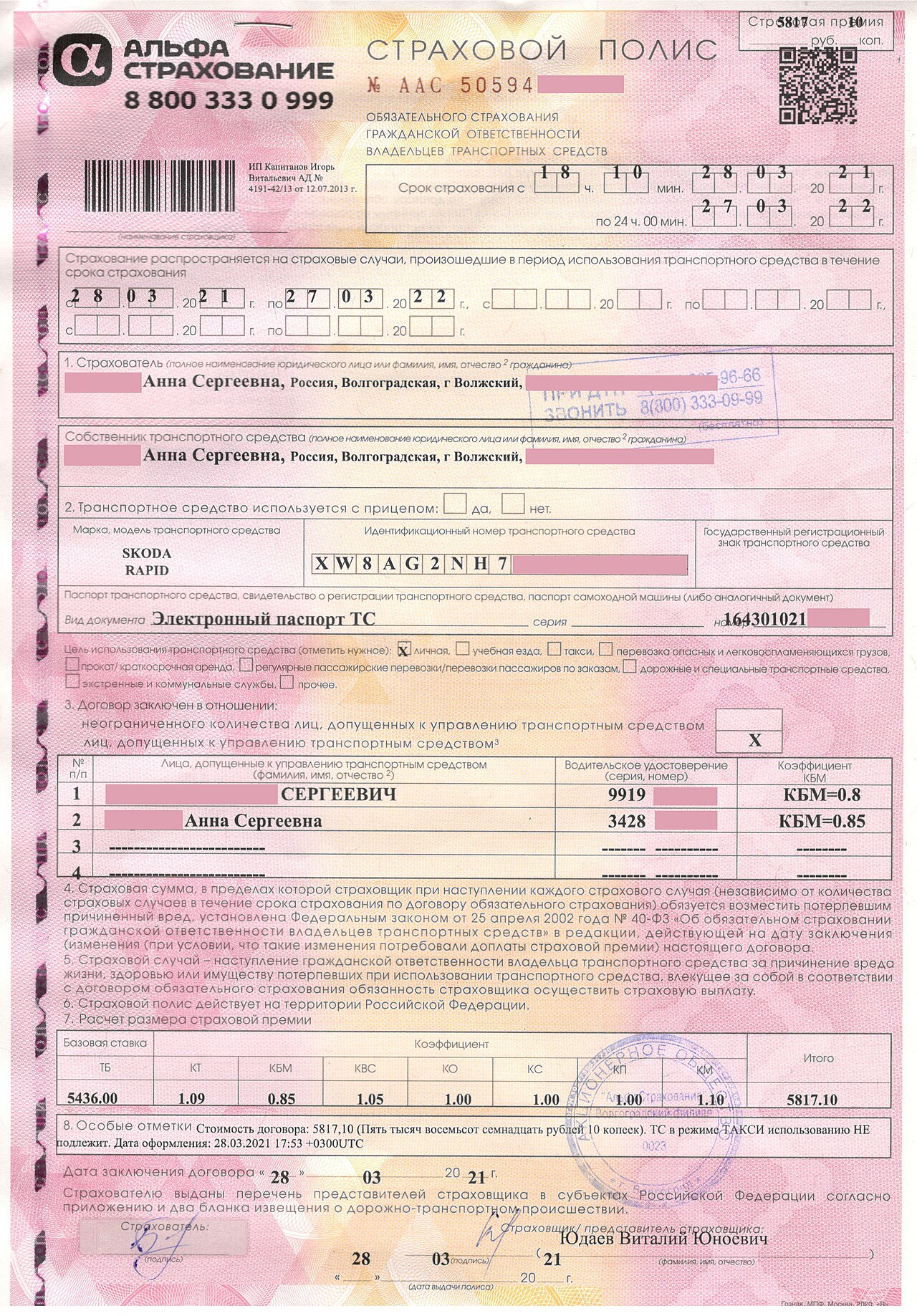
Q4398124 , Goznak (Q2133605) · Public domain
Legal liability is a concept in law meaning being responsible or answerable in law, legally obligated. It concerns both civil law and criminal law and can arise from various areas such as contracts, torts, taxes, or fines given by government agencies. The claimant is the one who seeks to establish, or prove, liability.
- field
- Law
- known_for
- Establishing responsibility in civil and criminal law, including limited and unlimited liability in business
Lore & Background
In commercial law, limited liability is a method of protection included in some business formations that shields owners from certain types of liability. A limited liability form separates the owner(s) from the business, acting as a corporate veil. This means when a business is found liable, only the funds or property the owner(s) have invested into the business are subject to that liability. Forms offering this protection include limited liability partnerships, limited liability companies, and corporations. Sole proprietorships and partnerships do not include limited liability.
Reader's Guide
Legal liability is significant because it governs accountability in both civil and criminal contexts, shaping how businesses and individuals are held responsible. The concept of limited liability has been crucial for larger businesses, allowing shareholders to only lose the amount invested. However, an exception called 'piercing the corporate veil' allows claimants to litigate against owners if serious transgressions occur. Courts generally avoid this to encourage innovation. For sole proprietorships and general partnerships, liability is unlimited, meaning owners assume full responsibility for debts, including seizure of personal assets. Product liability has shifted from 'caveat emptor' (buyer beware) in the 19th century to 'caveat venditor' (seller beware) in modern times, imposing more liability on manufacturers. Vicarious liability also holds employers responsible for employees' actions within the scope of employment, with nuances like frolic and detour affecting liability.
Did You Know?
- Limited liability forms include limited liability partnerships, limited liability companies, and corporations.
- Sole proprietorships and partnerships do not include limited liability.
- The exception to limited liability is called 'piercing the corporate veil.'
- Product liability has shifted from 'caveat emptor' to 'caveat venditor' over time.
Gallery
Frequently Asked Questions
Who is Legal liability?
Legal liability is the legal principle that makes a person or entity answerable under the law for their actions or obligations. It operates across both civil and criminal contexts, binding parties to consequences for their conduct.
What are Legal liability's powers or role?
Its role is to determine who bears responsibility in disputes involving contracts, torts, tax duties, and government-imposed fines. It also draws the line between limited and unlimited liability in business structures, capping or extending a party's financial exposure.
How does a Legal liability matter conclude?
A liability claim ends when the claimant proves the responsible party's obligation, or when the burden of proof is not met and the claim falls through. The result is typically a judgment, settlement, fine, or other enforceable legal consequence.
Why is Legal liability important?
It supplies the core accountability framework that makes obligations enforceable in both civil and criminal law. Without it, contracts, tort claims, tax duties, and regulatory penalties would lack a coherent way to assign and enforce responsibility.
Who is the claimant in a Legal liability matter?
The claimant is the party who initiates the process by seeking to prove that another party is legally responsible. They carry the burden of demonstrating the facts that give rise to the liability in question.
More in Legal Professions 1-24
Elsewhere in the Legal Professions universe
Spotted an error? Know more?
This is a living reference — every entry is fact-audited, and reader corrections feed straight into our audit queue. Suggest an edit · See this site's audit record